
It usually starts with a quiet recommendation. Someone mentions it while you’re grabbing a coffee in Lincoln, chatting outside school in Sleaford, or catching up with a friend in Nottingham city centre. Not filler, not Botox, something called polynucleotides.
The question comes up quickly after that. What actually are they, and are they worth it?
With so many treatments now available across Lincolnshire and Nottingham, it’s not always clear what works, what lasts, and what still looks like you at the end of it. That’s where Treeline Aesthetics has built its reputation. Their approach has always been about subtle, clinically-led treatments that restore skin rather than change it.
Polynucleotides fit directly into that philosophy. They are not about adding volume or chasing trends. They are about improving the quality of your skin in a way that feels natural and long-lasting, guided by experienced clinicians who prioritise safety and honest advice.
What Are Polynucleotides and Why Is Everyone Talking About Them?
If you’ve been searching for polynucleotides skin treatment in Lincolnshire or Nottingham, you’ve probably seen them described as “regenerative”. That word gets used a lot, but in this case it actually means something.
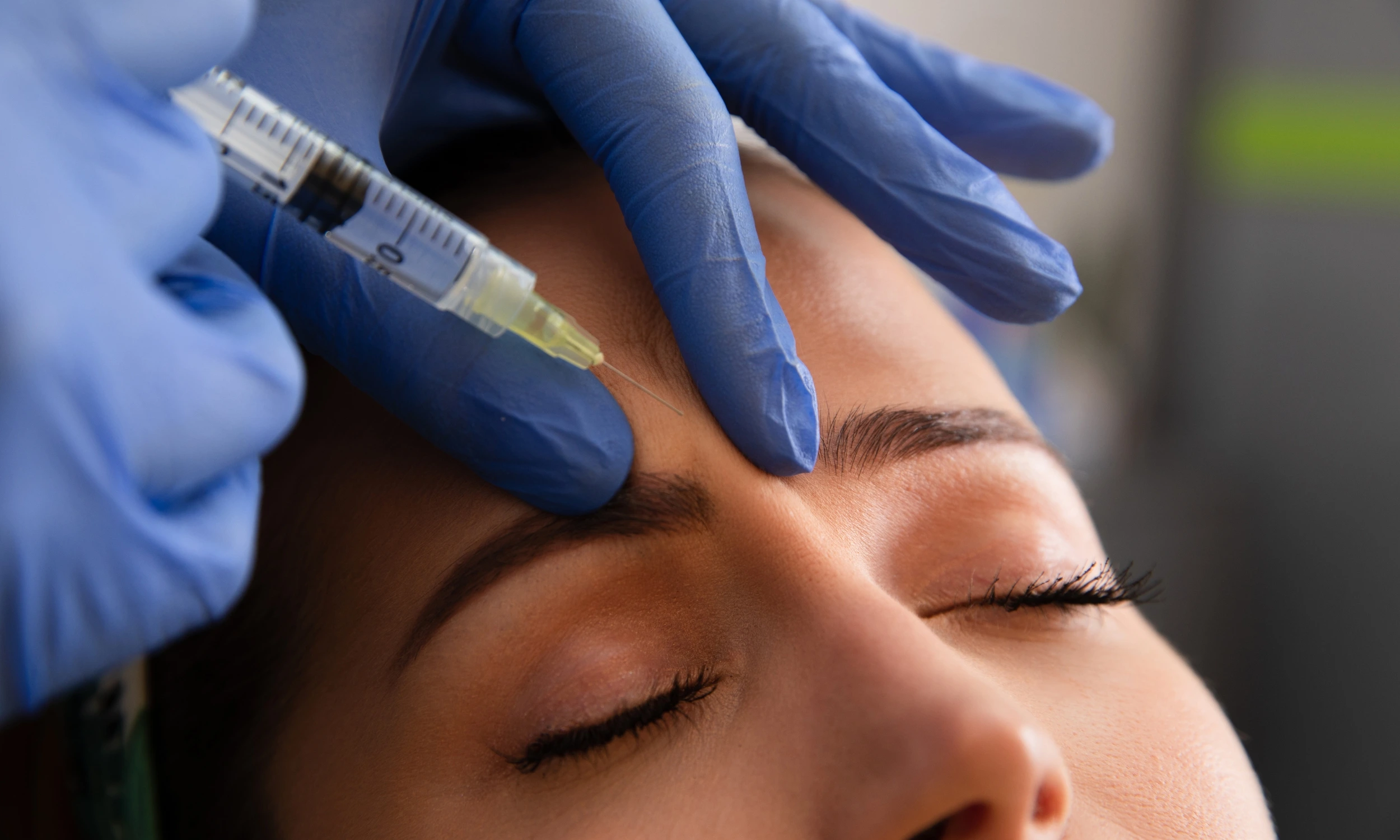
Polynucleotides are injectable treatments designed to improve skin at a cellular level. Instead of sitting under the skin like a filler, they work by encouraging your skin to repair itself.
Over time, they help to:
- Improve skin texture and tone
- Increase hydration from within
- Strengthen delicate or thinning skin
- Support collagen and elastin production
This is why they’re being talked about more across the East Midlands. People want results that don’t look obvious. They want skin that looks healthier, not altered.
How Polynucleotides Work as a Regenerative Skin Treatment
What makes them different from fillers?
Most people in Nottingham and Lincoln are familiar with dermal fillers. Fillers add volume. Polynucleotides do something different entirely.
They act as a bio-stimulator, triggering your skin’s natural repair processes. Over a few weeks, your skin gradually becomes:
- Firmer
- Smoother
- More resilient
That’s why many people describe the results as “looking fresher” rather than “looking treated”.
Why they’re becoming popular in Lincolnshire
There’s been a noticeable shift locally. More clients are moving away from obvious volume and towards regenerative skin treatments in Lincolnshire.
This is especially true for:
- Under-eye concerns
- Fine lines and crepey skin
- Early signs of ageing
- Skin that feels dull or tired
In areas like West Bridgford or central Lincoln, where people often want subtle improvements that still look professional and natural, polynucleotides make a lot of sense.
What are polynucleotides and how do they work on skin?
Polynucleotides are injectable bio-stimulators made from purified DNA fragments derived from fish. When injected into the skin, they stimulate fibroblasts to produce new collagen and elastin, improving texture, hydration, and firmness over time. Unlike fillers which add volume, polynucleotides work by regenerating the skin from within, making results look genuinely natural.
Polynucleotides vs Filler: Which One Do You Actually Need?
This is where a lot of confusion comes in, especially if you’re comparing polynucleotides vs filler.
They are not competing treatments. They solve different problems.
- Fillers restore lost volume and structure
- Polynucleotides improve skin quality and repair
If your concern is hollowing or contour, filler may be appropriate.
If your concern is skin texture, thinness or overall quality, polynucleotides are often the better option.
At Treeline Aesthetics, consultations are deliberately unhurried. The focus is on understanding what you actually need, not just offering the most popular treatment.
Are Polynucleotides Better Than Profhilo?
This is one of the most searched comparisons locally, especially across Nottingham and Lincoln.
If you want a deeper comparison, Treeline has already covered this in detail in their guide to Profhilo vs Skin Boosters, which explains how these treatments complement each other rather than compete.
Are polynucleotides better than Profhilo for skin quality?
They work differently. Profhilo spreads through the skin delivering intense hydration and stimulating collagen across a wide area. Polynucleotides are more targeted, working at a cellular level to repair and regenerate. Many patients benefit from both. Your clinician will recommend the best approach based on your specific skin concerns.
Who suits polynucleotides best?
This is a treatment that tends to suit people who want change, but not too much all at once.
It can be particularly useful if:
- Your under-eye skin has started to look crepey or tired
- Your skin feels dull even when you’re taking care of it
- You want a regenerative skin treatment in Lincolnshire rather than a volumising treatment
- You are starting to notice fine lines, mild laxity or a drop in skin firmness
- You prefer gradual, natural-looking improvement
It is also a treatment many people consider when they are not quite ready for filler, or when filler is not the best choice for a delicate area.
In places like Lincoln and Nottingham, where people often want discreet treatment so they can fit around work and family life, that gradual approach is a big part of the appeal.
What Areas Can Polynucleotides Treat?
One reason the treatment has become so talked about is that it can be used in several areas where skin quality matters more than volume.
Common treatment areas include:
- Under the eyes
- Cheeks
- Lower face
- Neck
- Décolletage
- Hands
The under-eye area gets a lot of attention for good reason. It is one of the first places tiredness shows, and one of the areas where treatment needs to be handled with care. Polynucleotides can help improve the quality of that skin over time without adding unnecessary bulk.
How many polynucleotide sessions do I need at Treeline Aesthetics?
Most patients start with an initial course of two to three sessions, spaced two to four weeks apart. This builds the regenerative effect and gives the collagen-stimulating process time to work. Maintenance sessions every six to nine months help sustain the results long-term.
Why Treeline Aesthetics Takes a Different Approach
There are more aesthetic clinics than ever across Nottingham, Lincoln and the surrounding villages. What sets Treeline apart is not just the treatments they offer, but how they approach them.
- Clinically-led consultations
- GDC-certified clinicians with advanced facial training
- No pressure to proceed with treatment
- Focus on subtle, natural outcomes
- Long-term skin health, not short-term trends
If you’re exploring polynucleotides in the East Midlands, this kind of approach matters. Regenerative treatments require precision, planning and a clear understanding of facial anatomy.
You can read more about how the treatment works on their dedicated polynucleotides treatment page, where the process and suitability are explained in detail.
Where Polynucleotides Fit Into a Long-Term Skin Plan
One of the biggest misconceptions is that this is a quick fix.
It’s not.
Polynucleotides are best thought of as part of a longer-term approach to skin health. Over time, they help your skin behave differently, improving resilience and slowing visible ageing.
Many clients across Lincolnshire now combine them with:
- Anti-wrinkle treatments
- Skin boosters
- Medical-grade skincare
The key is balance. Not everything at once, and never overdone.
Closing Thoughts
If you’ve been hearing more about polynucleotides skin treatment around Lincoln, Nottingham or Sleaford, it’s not just hype. It reflects a wider shift towards treatments that work with your skin rather than changing it.
If you’re curious but not quite sure where to start, a conversation is the best next step.
Treeline Aesthetics offers consultations in a calm, straightforward setting, where you can ask questions, understand your options, and decide what feels right for you.
Book a consultation at Treeline Aesthetics in Lincoln, Nottingham or Sleaford and take the first step towards healthier, more natural-looking skin.